Counting calories is one of the least useful things most of us ever learned to do around food. It’s imprecise, it’s exhausting, and it almost always crowds out the questions that actually matter — like whether a meal will keep you full, keep your blood sugar steady, and leave you feeling like a reasonable person two hours later.
There’s a quieter, more practical way to build a meal. It’s called the plate method, and it predates calorie tracking by several decades for good reason. Once you understand the logic, you can stop measuring and start eating.
The problem with calorie-first thinking
Calories tell you how much energy is in a food. They tell you almost nothing about what that food will do in your body.
A 200-calorie handful of almonds and a 200-calorie sleeve of crackers are, by the calorie count, equivalent. In your body, they are not remotely the same meal. The almonds deliver protein, fiber, and fat, which together keep you full for hours and don’t spike your blood sugar. The crackers deliver a fast hit of refined carbohydrate that leaves you hungry again in ninety minutes and reaching for something else.
This is why calorie-first diets so often fail over time. They optimize for the wrong variable. You can eat “correctly” on paper and still feel tired, hungry, and off all day. The plate method optimizes instead for composition — what’s actually on the plate — and the fullness, energy, and mood that follow from it.
The plate method, reimagined
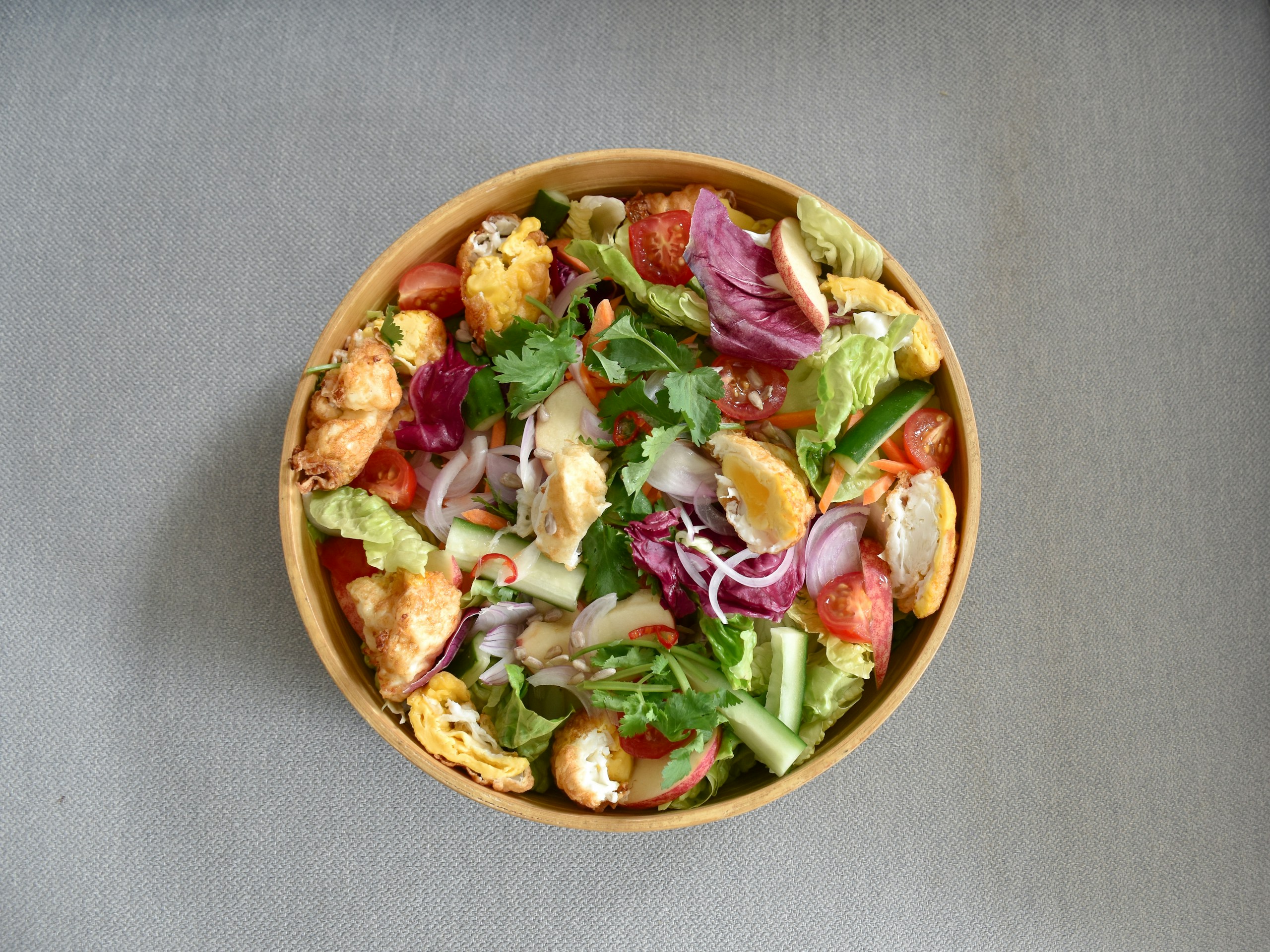
Picture a standard dinner plate. Divide it into three sections:
- Half the plate: non-starchy vegetables or fruit
- One quarter: a protein source
- One quarter: a smart carbohydrate
- Plus something: a source of fat, fiber, or flavor that ties the meal together — a drizzle of olive oil, avocado, nuts, a dressing
That’s the whole framework. You don’t weigh anything. You don’t measure anything. You glance at the plate and adjust.
It works because it forces a meal to contain the things that create satiety — protein, fiber, fat — without demanding any of them be restricted. The vegetables are the easiest component to overlook and the one that most quietly changes how you feel after eating. Half the plate is not a suggestion; it’s where most of the work happens.
Protein: the most underrated part of your plate
Most women chronically under-eat protein — not because they’re doing anything wrong, but because the standard advice hasn’t caught up to what the research now suggests.
Current evidence points toward distributing 25 to 35 grams of protein across each main meal for steady energy, muscle maintenance, and appetite regulation. That’s a palm-sized portion of chicken, fish, or tofu; a cup of Greek yogurt with some nuts; two or three eggs plus a bit of cheese; or a bowl of lentils with a sprinkle of hemp seeds.
You don’t have to hit this number exactly. But if you’ve been building plates around a handful of crackers and a little cheese, adding real protein to each meal is often the single most noticeable change you can make. Energy levels shift. Cravings quiet down. The 3 p.m. crash stops feeling inevitable.
Smart carbs (and why you shouldn’t fear them)
Carbohydrates have been the most unfairly demonized food group of the last thirty years. Let’s set that down.
Your brain runs on glucose. Your muscles store it. Your hormones — particularly thyroid and the ones that regulate your menstrual cycle — respond poorly to chronically low carbohydrate intake. For most women, cutting carbs too hard and for too long creates more problems than it solves: fatigue, moodiness, stalled progress, irregular cycles, hair changes, sleep disruption.
The distinction that matters isn’t carbs vs. no carbs. It’s carbs with fiber vs. carbs without.
Smart carbs still have their original fiber attached — whole grains, beans, lentils, fruit, sweet potatoes, squash, oats, quinoa, brown rice, whole-grain bread. They release glucose slowly. They feed your gut. They keep you full.
Refined carbs — white bread, pastries, most breakfast cereals, white pasta without much else, sugary drinks — have had the fiber removed. They digest fast, spike blood sugar, and crash you. You don’t need to never eat them, but they shouldn’t be the backbone of the meal.
Fats, fiber, and the “plus-one” rule
The final piece is what I call the plus-one: a fat, a fiber source, or a flavor element that elevates the plate from adequate to actually enjoyable.
A plain chicken breast with steamed broccoli and rice is technically balanced and completely unappealing. The same plate with a drizzle of olive oil and lemon on the broccoli, a spoonful of tzatziki on the chicken, and a few toasted almonds becomes a meal you’ll want to repeat.
This matters more than most nutrition advice admits. A meal you don’t enjoy is a meal you’ll compensate for later, usually with something less nutritious. Fat and flavor aren’t enemies of a balanced plate — they’re what make balance sustainable.
A week of sample plates
To make this concrete, here’s what a week of applying the framework can look like. None of these require recipes or measuring cups.
- Monday: Salmon, roasted Brussels sprouts, sweet potato, olive oil and lemon
- Tuesday: Ground turkey sauce, zucchini and spinach, whole-wheat pasta, parmesan
- Wednesday: Chickpea and feta salad, big mixed greens, warm pita, olive oil dressing
- Thursday: Sheet pan chicken thighs, broccoli and peppers, quinoa, tahini drizzle
- Friday: Omelet with feta and spinach, side of berries, slice of sourdough, avocado
- Saturday: Steak tacos, cabbage slaw, black beans, corn tortillas, guacamole
- Sunday: Lentil soup, big green salad, crusty bread, olive oil and parmesan
Every one of these meals follows the same formula. Half vegetables or fruit. A quarter protein. A quarter smart carb. A plus-one that makes it taste like something you’d cook for a friend.
That’s the whole game. You can build entire years of meals on this framework without ever looking at a calorie count again.
Want this personalized to you?
The plate method is a starting point. A consultation translates it into specific meals for your goals, your schedule, and what you’ll actually cook. See consultation options →
The content of this article is for educational purposes only and is not a substitute for individualized medical or nutritional advice. Always consult a qualified healthcare provider for guidance specific to your situation.
Leave a Reply