
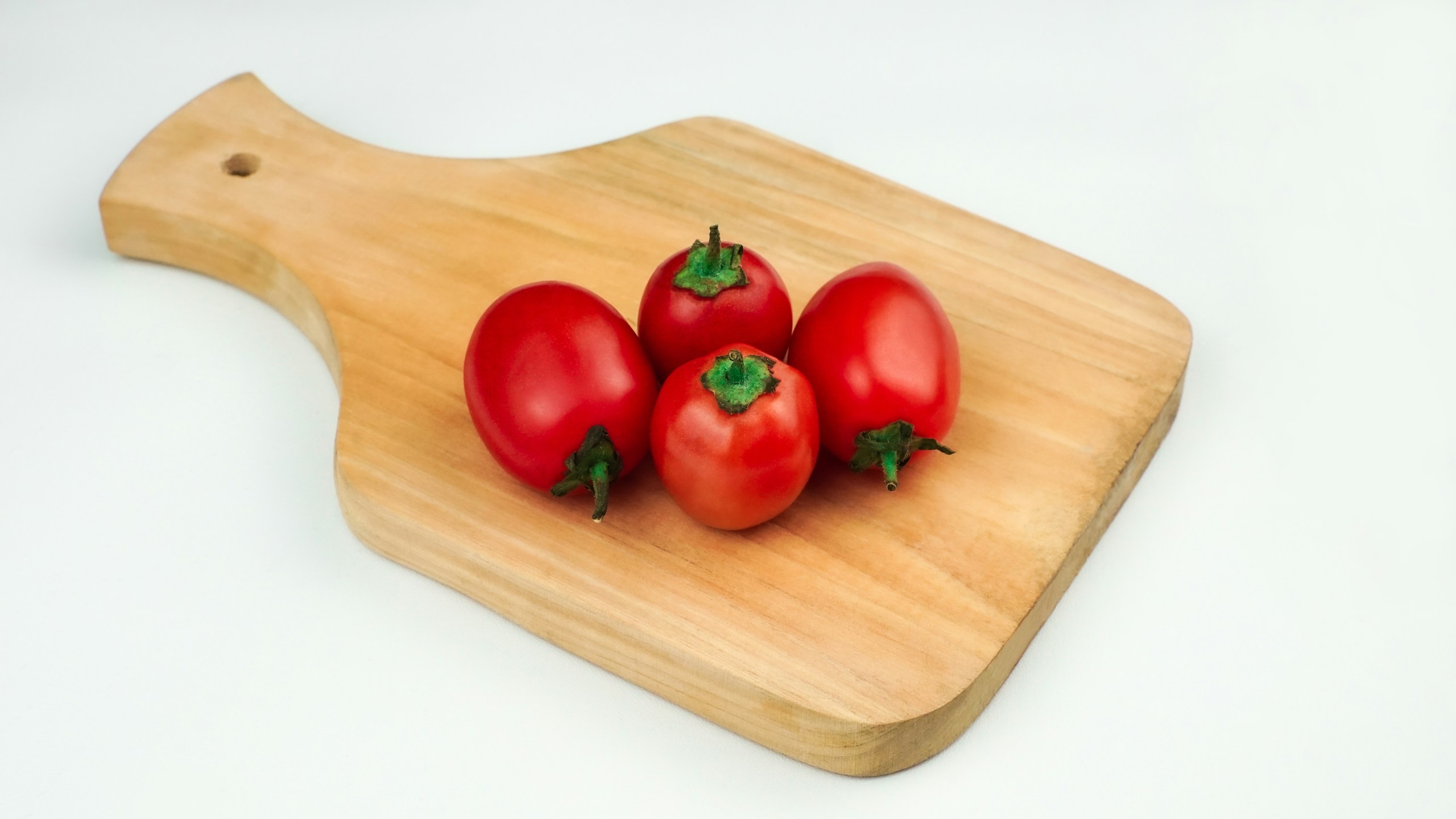
Grocery shopping is where most nutrition plans quietly succeed or fail. You can read any number of articles about what to eat. If your cart doesn’t reflect it, your week won’t either.
Here’s how to shop the way someone who thinks about food for a living does — less as a chore, more as setting up the week for itself.
The 5-zone store walkthrough
Most grocery stores are laid out in the same general shape. Working the perimeter first — where the least-processed food tends to live — and then filling gaps from the middle aisles is the single most useful shopping habit.
- Produce. This zone usually anchors whichever door you entered. The bulk of what goes in your cart belongs here. Roughly fill half the cart with vegetables and fruit before moving on.
- Protein. Meat, poultry, fish, tofu. Two or three options for the week.
- Dairy and eggs. Greek yogurt, eggs, cheese, milk or alternative. Whatever your version of this looks like.
- Pantry staples. The middle aisles. Grains, legumes, nuts, oils, canned fish, condiments. Shop these intentionally, not browse them.
- Frozen. The most underrated zone in a grocery store. Frozen vegetables, frozen fruit, and frozen fish are genuinely useful, often cheaper, and rescue an otherwise empty-fridge weeknight.
The cart fills in this order because it reflects how a nutritious week actually eats — mostly produce, meaningful protein, a few smart staples.
Produce: what to prioritize by season
Fresh produce is better, cheaper, and more nutritious in season. A rough guide to the year:
- Spring: asparagus, peas, strawberries, artichokes, radishes, spring greens
- Summer: tomatoes, stone fruit, berries, corn, zucchini, peppers, herbs
- Fall: apples, pears, winter squash, Brussels sprouts, sweet potatoes, cauliflower
- Winter: citrus, hearty greens, root vegetables, cabbage, leeks, beets
Frozen produce often has better nutrient retention than out-of-season fresh that was picked green and shipped for weeks. A bag of frozen wild blueberries in February has substantially more vitamin C than a clamshell of fresh strawberries shipped from halfway around the world. Frozen is not a compromise.
Protein without breaking the bank
Protein is consistently the most expensive category in most people’s carts and the category most often skimped on. A few patterns that stretch the budget without sacrificing the goal:
- Eggs remain one of the best dollar-per-gram-of-protein options
- Canned fish — sardines, salmon, tuna — is cheap, stable, and nutritionally excellent
- Chicken thighs are cheaper than chicken breasts and more forgiving to cook
- Dried lentils and beans are dramatically cheaper than canned, and not much harder
- Greek yogurt in the plain variety, bought in the larger tub, costs a fraction of individual cups
- Cottage cheese has quietly made a comeback and deserves its moment
- Frozen fish is often half the price of fresh and nutritionally equivalent
- Tofu and tempeh are inexpensive, shelf-stable for a while, and underused in American kitchens
Pantry staples worth keeping stocked
A well-stocked pantry turns an empty fridge into dinner. Worth keeping on hand:
- Olive oil, a good vinegar or two, soy sauce or tamari, Dijon mustard
- Garlic, onions, lemons — the foundation of almost any dinner
- Canned tomatoes, canned beans, canned coconut milk
- Dry grains — rice, quinoa, pasta, oats
- Nuts, seeds, tahini, peanut or almond butter
- Salt, pepper, a small rotating collection of spices you actually use
- Dried or canned lentils and chickpeas
With that pantry plus basic produce, eggs, and one protein, a reasonable dinner is always ten to twenty minutes away.
The weekly checklist
A simple, repeatable template to modify to your taste:
- 5–7 vegetables, a mix of leafy and hardy
- 3–4 fruits, with something for the fridge and something for the counter
- 2–3 proteins for variety across the week
- 1 whole grain to batch-cook or keep dry
- 1–2 dairy or alternatives — yogurt, milk, cheese, whatever you use
- Eggs, a dozen, most weeks
- Pantry top-ups as needed
- One or two frozen backups — vegetables, fruit, or fish — for the night the plan falls apart
The list gets shorter and faster the more you use it. The goal is not to optimize every trip to the store — it’s to remove the friction that keeps most weeks from going the way you wanted.
For the label-reading companion to this, see: How to Read a Nutrition Label Like a Dietitian.
Want a list built around your actual goals?
A consultation can include a personalized grocery framework and pantry plan — tailored to your schedule, your household, and the meals you’ll actually make. See consultation options →
The content of this article is for educational purposes only and is not a substitute for individualized medical or nutritional advice. Always consult a qualified healthcare provider for guidance specific to your situation.
Leave a Reply