
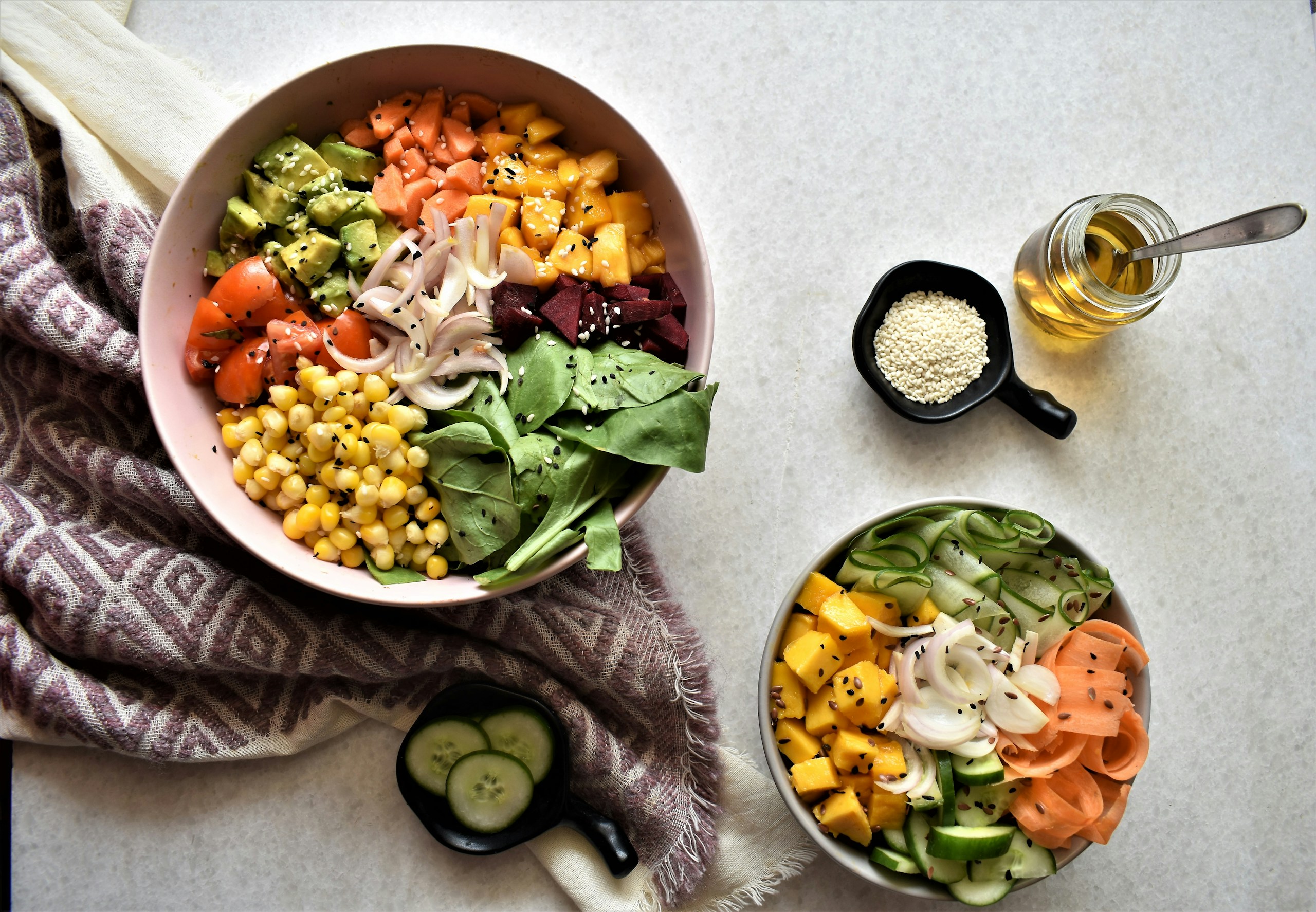
Anti-inflammatory eating is one of those phrases that means almost everything and almost nothing, depending on who’s using it. A supplement company uses it to sell you a $50 turmeric blend. A podcast will tell you to cut out nightshades. A hundred thousand blog posts will hand you a list of “inflammatory foods to never eat again.”
The actual research tells a simpler, less sellable story. An anti-inflammatory way of eating is not a named diet, a cleanse, or a supplement stack. It’s a pattern — one that has been studied for decades and produces reliable results in people who live it consistently.
What chronic inflammation is
Inflammation itself isn’t the villain. It’s the immune system doing its job — the redness around a cut, the swelling after a twisted ankle, the fever when you’re fighting off a virus. Acute inflammation is healing in progress.
The problem is chronic, low-grade inflammation: a persistent background hum of immune activity that isn’t responding to a specific threat. Over time, this kind of inflammation is implicated in heart disease, type 2 diabetes, autoimmune flares, joint pain, depression, insulin resistance, hormonal disruption, and the general sense of not quite feeling well that so many adults live with.
What you eat doesn’t cause all of that — stress, sleep, genetics, and environment matter too. But of the levers people can pull, dietary pattern is one of the most accessible, and the evidence is strong enough that most clinicians now consider it part of preventive care.
The Mediterranean pattern, explained
If you’ve heard one anti-inflammatory recommendation over and over, it’s the Mediterranean diet. This isn’t a marketing choice. It’s the most-studied eating pattern in the nutrition research of the past fifty years, and it consistently produces lower markers of inflammation, better cardiovascular outcomes, and longer life across populations.
The Mediterranean pattern, stripped of the branding, is:
- A base of vegetables, fruit, legumes, whole grains, nuts, and seeds — eaten daily, in quantity
- Olive oil as the primary fat
- Fish and seafood several times a week
- Moderate amounts of dairy, eggs, and poultry
- Small amounts of red meat
- Minimal ultra-processed food — packaged snacks, sugary drinks, industrial baked goods
Notice what’s missing from that list: rigid rules, excluded food groups, miracle foods, supplements. The pattern is additive. What you include matters far more than what you exclude.
Foods with the strongest research
A handful of food groups are close to universally recommended in the anti-inflammatory literature:
Fatty fish — salmon, sardines, mackerel, trout. Two to three servings a week provides the omega-3s (EPA and DHA) that the body uses to produce anti-inflammatory signaling molecules. Canned sardines are probably the most underrated food in American cupboards.
Extra-virgin olive oil. Not just a healthy fat — it contains oleocanthal, a compound with documented anti-inflammatory activity. Use it as your default cooking and dressing fat.
Berries and deeply colored fruits. The same pigments that make blueberries, cherries, and pomegranates colorful are polyphenols with measurable effects on inflammation markers.
Leafy greens and cruciferous vegetables. Spinach, kale, arugula, broccoli, Brussels sprouts. Daily intake is meaningful; occasional is not.
Legumes — beans, lentils, chickpeas. Fiber, plant protein, and a cluster of polyphenols the rest of the plant world doesn’t offer.
Nuts and seeds. A small daily handful (not a bowl) has consistent evidence for lower inflammatory markers.
Herbs, spices, and tea. Turmeric, ginger, cinnamon, garlic, green tea — all have real, if modest, anti-inflammatory effects. The health of the overall pattern matters more than any one of these, but they add up when they’re used regularly.
Foods worth reducing — without demonizing
A few categories are more clearly tied to higher inflammation markers in research, and moving away from them as a dominant pattern of eating is the reasonable move:
- Ultra-processed foods — packaged snacks, sugary drinks, most fast food, industrial baked goods
- Refined carbohydrates in large or frequent amounts — white flour, sugary cereals, white rice as a daily staple
- Processed meats — bacon, sausage, deli meat — as daily features rather than occasional
- Industrial seed oils used in very high amounts (the evidence here is more debated than the others, but moderation is sensible)
- Alcohol, especially daily
The word worth emphasizing is dominant. No single food or meal causes chronic inflammation. The pattern does. A doughnut on a Saturday is not the problem; a doughnut every morning is a different conversation.
A sample anti-inflammatory day
- Breakfast: Greek yogurt with berries, walnuts, ground flaxseed, a drizzle of honey
- Lunch: Mixed greens, chickpeas, roasted vegetables, feta, olive oil and lemon dressing, a piece of whole-grain bread
- Snack: Apple with almond butter, or hummus and cucumber
- Dinner: Salmon, quinoa, roasted broccoli and peppers, olive oil, garlic, lemon, a side salad
- Evening: Green tea and a square of dark chocolate
That’s the whole exercise. Not a protocol. Not a cleanse. A way of eating that happens to follow decades of the clearest nutrition research we have.
Want this applied to your specific picture?
Anti-inflammatory eating is especially useful alongside autoimmune conditions, joint pain, hormonal symptoms, and metabolic concerns. A consultation can translate the principles into the specifics →
The content of this article is for educational purposes only and is not a substitute for individualized medical or nutritional advice. Always consult a qualified healthcare provider for guidance specific to your situation.
Leave a Reply