
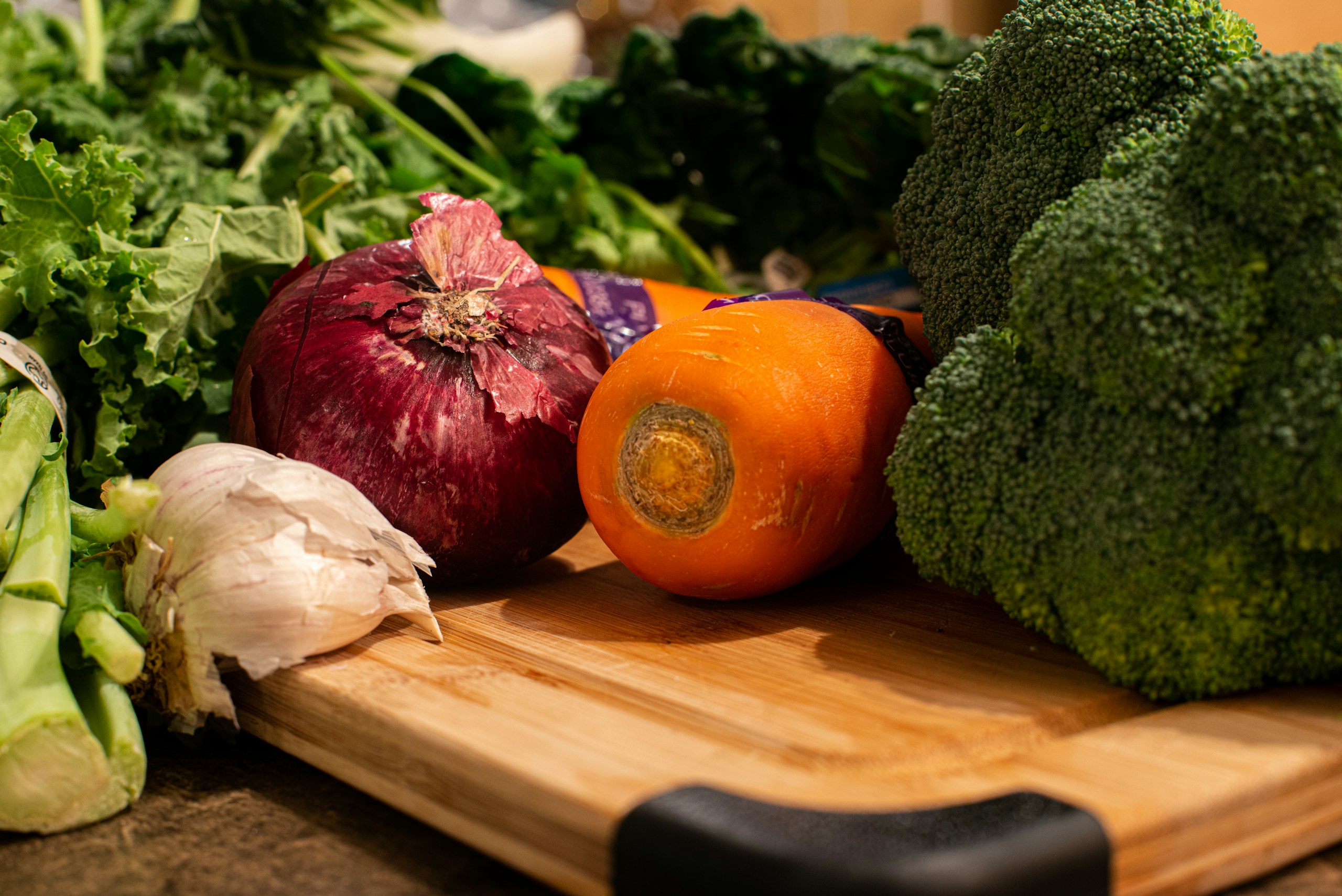
Most meal prep advice fails for one reason: it asks you to cook seven complete meals on a Sunday and eat exactly those same seven meals all week. A few days in, it feels like punishment. By Thursday, you’re ordering takeout again.
A sustainable approach is quieter and more flexible. It assumes you want to eat well during a real week, not a curated Instagram one.
Why most meal prep plans fail
The rigid version — same grilled chicken, same broccoli, same rice, Monday through Friday — breaks down fast because real eating isn’t rigid. Your mood changes. Your schedule changes. Your hunger varies day to day. You want soup on a cold Wednesday and a salad on a warm Thursday. A system that punishes variety runs out of fuel quickly.
The other failure mode is over-ambition. You plan to make five new recipes, each with its own ingredient list. Sunday arrives and you spend four hours cooking. You never want to see that kitchen again. The following Sunday you do nothing.
The fix for both is a framework, not a menu.
The “components, not meals” method
Instead of prepping complete meals, prep components that can be mixed and matched across the week. The goal is to arrive home on a Tuesday night ten minutes from dinner, not to have dinner already plated in the fridge.
A weekly prep, reduced to its components, looks like this:
- 2 proteins — e.g., roasted chicken thighs and a pot of lentils or a batch of hard-boiled eggs
- 1 whole grain — e.g., a batch of quinoa, farro, or brown rice
- 2 roasted vegetables — e.g., a sheet pan of broccoli and another of sweet potato or peppers
- 1 washed salad base — greens spun dry and stored with a paper towel
- 1 sauce or dressing — tahini-lemon, herby yogurt, miso-ginger, olive oil-and-mustard — the upgrade from boring to excellent
- A bowl of fruit washed and visible
With these six things in your fridge, every weeknight dinner is an assembly task. Quinoa bowl with chicken, roasted broccoli, tahini sauce, squeeze of lemon. Grain salad with lentils, roasted peppers, feta, olive oil. Lettuce wraps with chicken and the herby yogurt. Five dinners, no new cooking required most nights.
A 90-minute Sunday template
A realistic prep block, from walk-in to walk-out:
- Minutes 0–5: Preheat the oven to 425°F. Put a big pot of water on for the grain.
- Minutes 5–20: Chop the two vegetables you’re roasting. Spread them on two sheet pans with olive oil, salt, pepper. Into the oven.
- Minutes 20–35: Get the protein going — season chicken thighs and place on a rack (they can go in the oven with the vegetables), or start the lentils, or boil the eggs.
- Minutes 35–50: Cook the grain. Wash and dry the salad greens while it simmers.
- Minutes 50–65: Make the sauce. Wash and prep the fruit.
- Minutes 65–90: Let things cool. Pack into containers. Label if you want. Clean up.
You’re done. What you have is not five plated dinners; it’s a week of dinners waiting to be assembled in ten minutes each.
A grocery list builder
Shopping for the components-method week boils down to a repeatable list:
- Proteins (2): whatever sounds good that week — chicken thighs, salmon, eggs, lentils, chickpeas, ground turkey, tofu
- Grain (1): quinoa, farro, brown rice, whole-wheat pasta, couscous
- Roasting vegetables (2–3): broccoli, cauliflower, peppers, sweet potato, butternut squash, Brussels sprouts, carrots
- Salad stuff: greens, cucumber, tomatoes or fruit for contrast, a cheese or nut for crunch
- Sauce ingredients: olive oil, lemons, tahini, mustard, yogurt, herbs, vinegars — these build up once and last weeks
- Fruit and snacks: a week’s worth of fruit, yogurt, hummus, nuts
Rotate the specific items. Keep the framework the same. You’ll never have to plan meals again, only components.
Storage and food safety basics
Practical timelines for cooked food in the fridge:
- Cooked chicken, turkey, beef: 3–4 days
- Cooked fish: 2–3 days
- Cooked grains, legumes, beans: 4–5 days
- Roasted vegetables: 4–5 days
- Hard-boiled eggs (in shell): up to 7 days
- Most sauces and dressings: 5–7 days
If you’re prepping on a Sunday, build your meals around proteins earlier in the week and grain-and-vegetable combinations later. For longer-lasting flexibility, freeze a portion of the protein on prep day and defrost it Thursday morning.
The framework for making each assembled meal balanced is here: How to Build a Balanced Plate.
Want a plan around your actual schedule?
A consultation can translate the components method to your schedule, your cooking confidence, and the meals you’ll actually make. See consultation options →
The content of this article is for educational purposes only and is not a substitute for individualized medical or nutritional advice. Always consult a qualified healthcare provider for guidance specific to your situation.
Leave a Reply